

Burial vs Cremation: Weighing Your Options

When planning a funeral, one of the most significant decisions to make is whether to choose burial or cremation. Both are deeply personal choices shaped by beliefs, traditions, values and practical considerations. Each option carries its own meaning, advantages and challenges, and neither is necessarily better than the other, it really depends on what feels right for you and your family.

Why Choose Burial?
For many families we support, burial remains a meaningful choice. It often reflects religious teachings, cultural traditions, or a personal connection to the idea of returning to the earth. Families also value having a place where future generations can visit and reflect.
Benefits of Burial:
- A place to visit: Burial offers a physical location where family and friends can come to remember, reflect and grieve.
- Tradition and ritual: Many faiths and cultures have long histories of burial, making it a natural and expected part of the farewell process.
- Symbolic meaning: For some, burial provides a sense of closure and finality that can help with the grieving process.
Things to consider:
- Costs can be higher: Burial often involves several expenses, including a plot, coffin, burial service and ongoing maintenance.
- Land use: With limited cemetery space in some areas, land availability can be a concern.
- Environmental impact: Embalming fluids and traditional coffins may have harmful effects on soil and water.

Why Choose Cremation?
Cremation has become the most common choice in Australia, with around 70% of funerals now involving this option. It’s often seen as more affordable and flexible, and appeals to people looking for a simpler or more environmentally conscious alternative.
Benefits of Cremation:
- Lower cost: Without the need for a burial plot or headstone, cremation tends to be more economical.
- More flexibility: Ashes can be scattered in a meaningful place, kept in an urn or even used in creative memorials such as jewellery or artwork.
- Smaller footprint: Cremation requires far less land than burial, making it a practical choice in cities or densely populated areas.
- Potentially lower environmental impact: While cremation does release emissions, the overall footprint may be lower than burial when cemetery maintenance is factored in.
Things to consider:
- No fixed resting place: Some families may miss having a permanent site to visit and honour their loved one.
- Environmental trade-offs: The process of cremation produces emissions, including greenhouse gases and trace elements like mercury.
- Not always an option for all faiths: Some religions have specific teachings that discourage or forbid cremation.

Planning Ahead
Whatever your choice, it’s important to make your wishes known. Leaving clear instructions, ideally in your will or a pre-planned funeral arrangement, can help avoid confusion or conflict during an already emotional time. In the absence of clear guidance, families may be left unsure of what to do, sometimes needing legal advice or even court intervention.
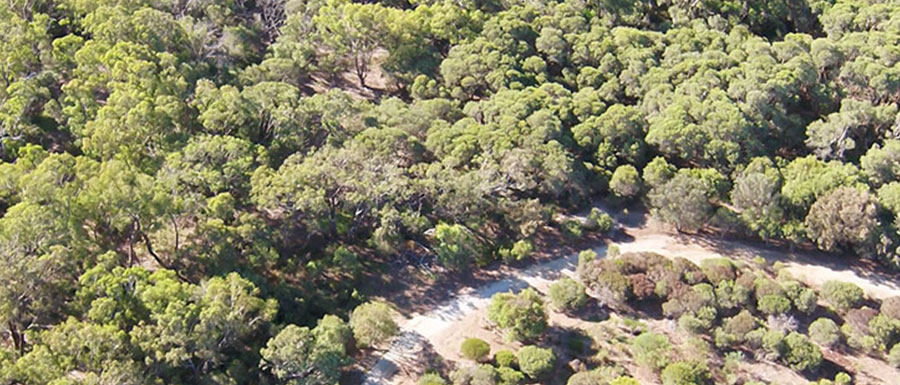
At Bowra & O’Dea, we also help offset the environmental impact of funerals through our Memorial Grove. For every funeral service we conduct, we plant a tree in a dedicated grove, creating a lasting, living tribute to those who have passed
In Summary
There is no right or wrong choice between burial and cremation, only what feels most meaningful for you and your loved ones. At Bowra & O’Dea, our role is to walk alongside you, offering guidance, compassion and care as you make the decisions that feel right for your family.
Contact Us
Not sure where to begin?
There’s no ‘right’ way to plan a funeral. What matters most is that it reflects the life, values and spirit of the person you’re remembering. Whether simple or elaborate, formal or relaxed, a thoughtfully planned service can help bring healing, connection and a sense of peace to everyone involved.
If you’re unsure where to begin, start by speaking with a trusted funeral director. They’ll walk you through your options, answer your questions and support you in creating a farewell that feels right for your family.